
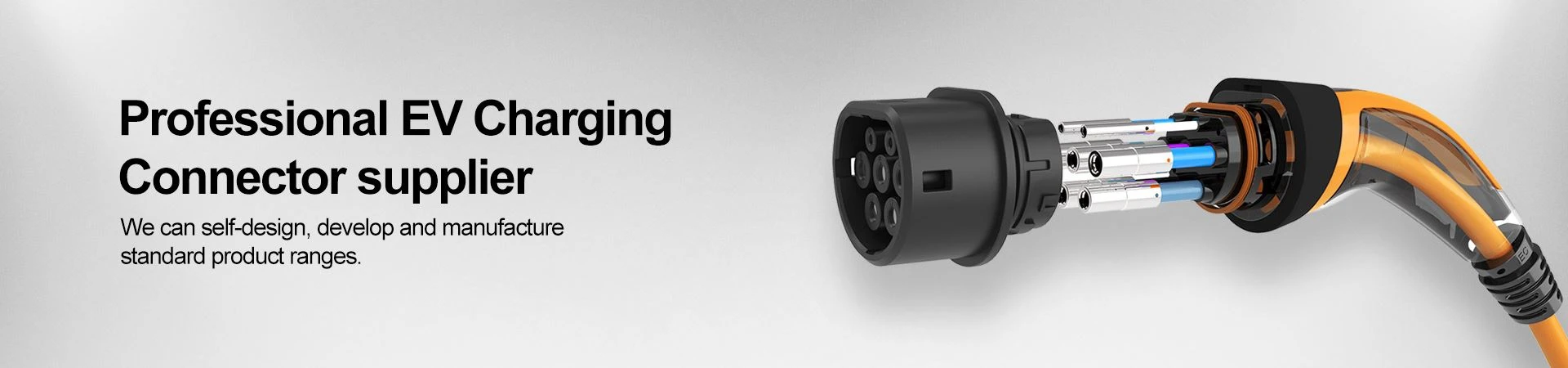
EV Charging Cable
APEKS EV is a professional manufacturer of EV charging cables, equipped with advanced automated production lines and strict quality testing systems. We provide Type 1 and Type 2 cables from 7kW to 22kW, ensuring excellent conductivity, flexibility, and durability. Supporting OEM/ODM customization in cable length, plug type, and branding, APEKS EV delivers safe, efficient, and reliable charging solutions for global B2B partners in the EV industry.



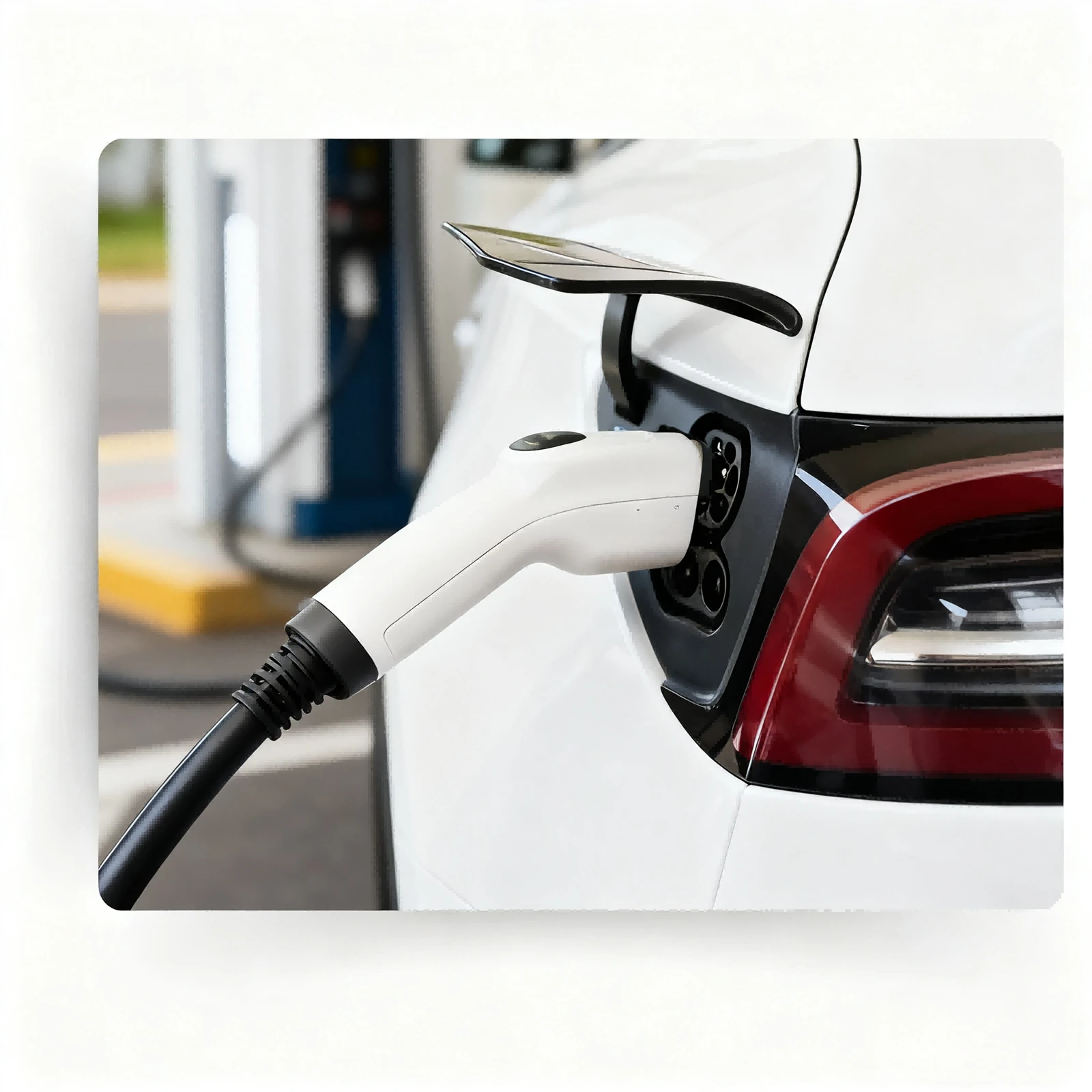
Selecting the right EV connector lead is essential for safe and efficient charging. Before purchasing, check your vehicle’s connector type—Type 1 for most Japanese and U.S. EVs or Type 2 for Tesla (Australia and Europe) and many European models. Cable length matters, too: a cable that’s too short limits flexibility, while an overly long one may be cumbersome. Universal socket chargers, increasingly common in Europe, let drivers bring their own cables, reducing wear on public infrastructure and ensuring compatibility with all EVs on the road. With a 22 kW charging capacity delivering up to 140 km of range per hour—enough to fully recharge a Tesla in about three hours—choosing the right cable ensures faster, more reliable charging wherever you are.
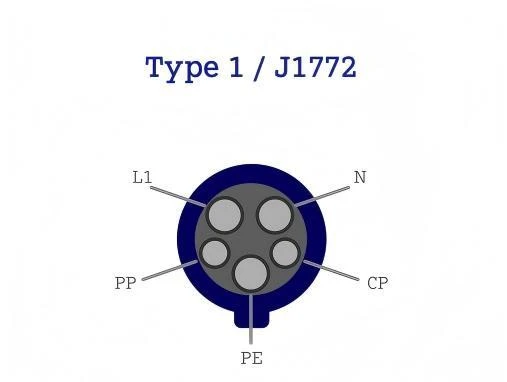
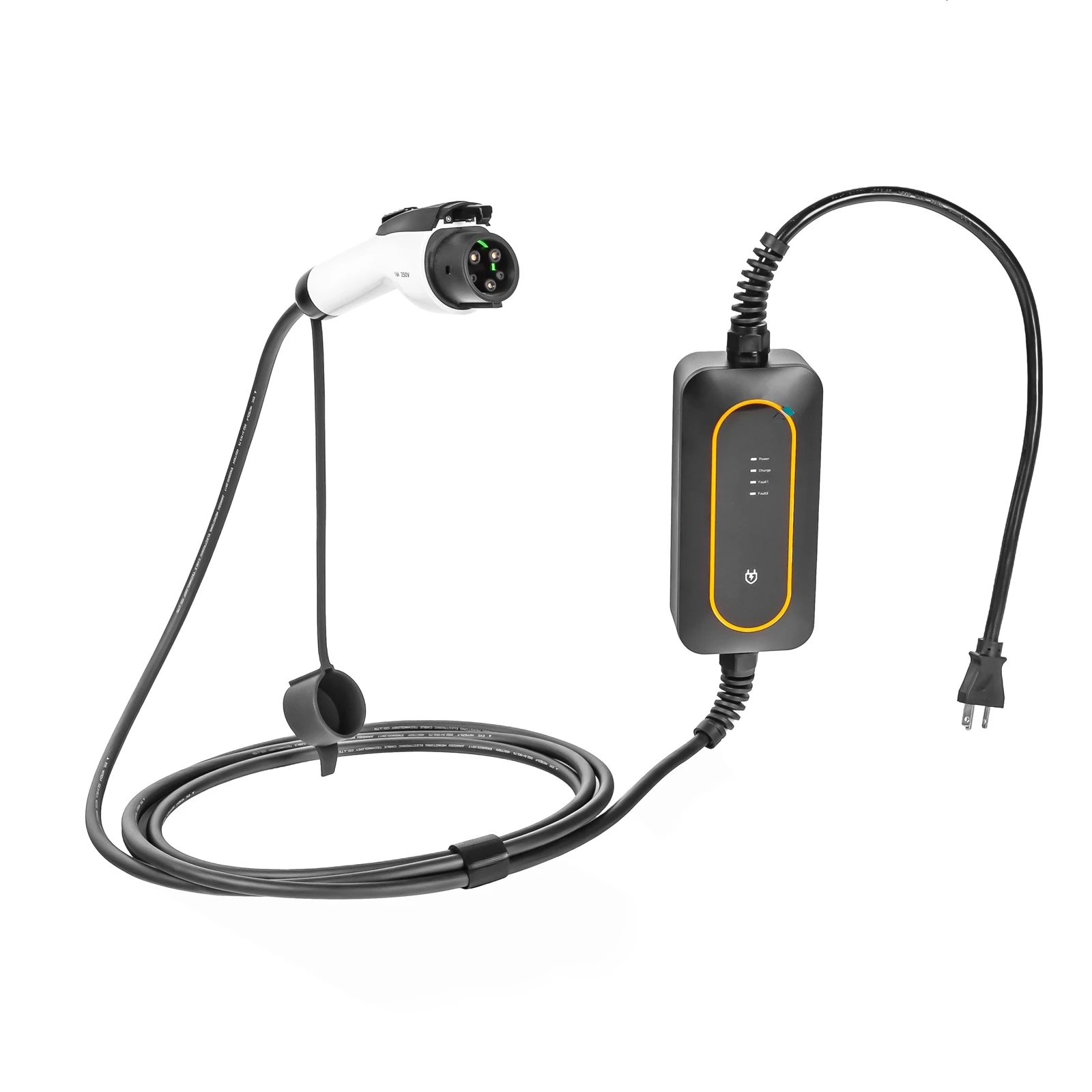
Type 1 connectors, also known as SAE J1772 plugs, were first developed for the North American and Japanese EV markets and remain widely used in those regions today. They are single-phase AC connectors that typically support charging speeds up to 7.4 kW (230 V, 32 A).
Pin Configuration & Functions:
- CP (Control Pilot) – Communicates charging status and current needs between the EV and the charger.
- PP (Proximity Pilot) – Confirms the plug is fully inserted before charging starts.
- PE (Protective Earth) – Ensures safe grounding.
- N (Neutral) – Return path for AC current.
- L1 (Line 1) – Live wire for single-phase AC charging.
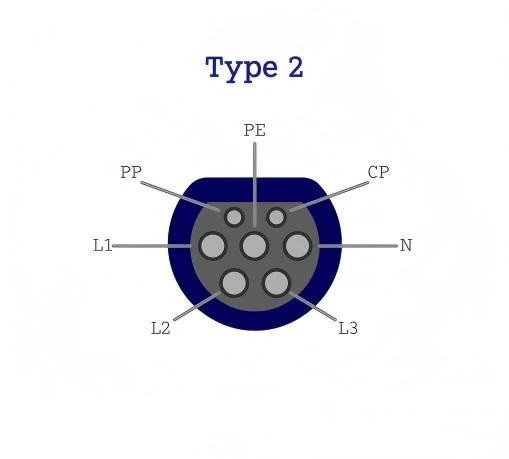
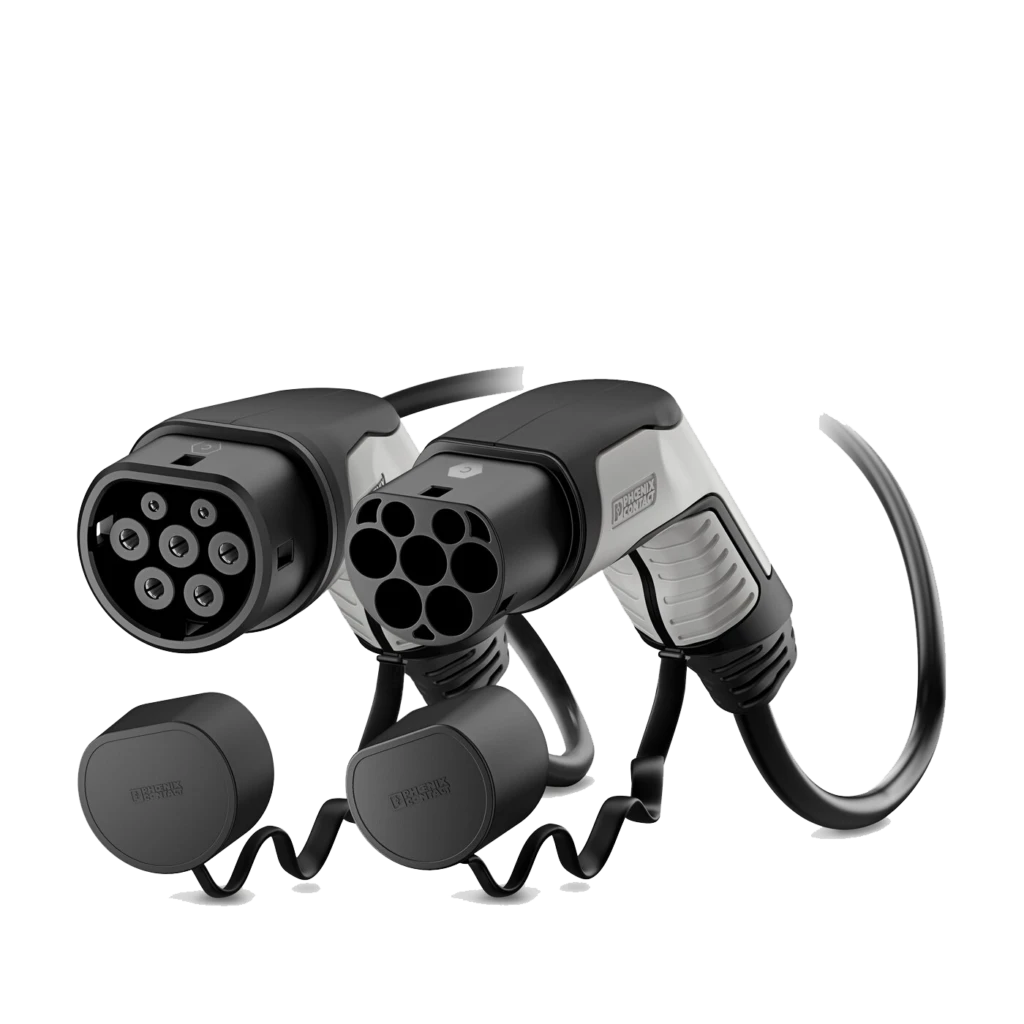
Type 2 connectors were designed in Germany in 2009 and have since been mandated across the European Union, becoming the world’s leading EV connector. Designed to replace Type 1/J1772 plugs, modern Type 2 cables support single- and three-phase AC charging up to 22 kW AC.
Pin Configuration & Functions:
- CP (Control Pilot) – Communicates charging data between vehicle and charger.
- PP (Proximity Pilot) – Confirms a secure connection.
- PE (Protective Earth) – Full-current ground for enhanced safety.
- N (Neutral) – AC return path.
- L1, L2, L3 – Live wires for three-phase AC power.
EV Charging Cable Care Guide
Proper care of your EV charging cable ensures safe, reliable charging and extends the life of your equipment. Follow these simple tips to keep your cable and connectors in top condition:
- Dry Storage: Store in a dry place when not in use and avoid leaving it on the charging station for extended periods.
- Use a waterproof cap: Use a waterproof cap on the plug to protect it from moisture and dust.
- Keep it clean: Ensure the plug is free of dust and water before charging.
- Avoid damage: Do not run over the cable or drop the plug.
Why choose APEKS:
Providing you with convenient electric vehicle charging solutions.
Full-scenario compatibility
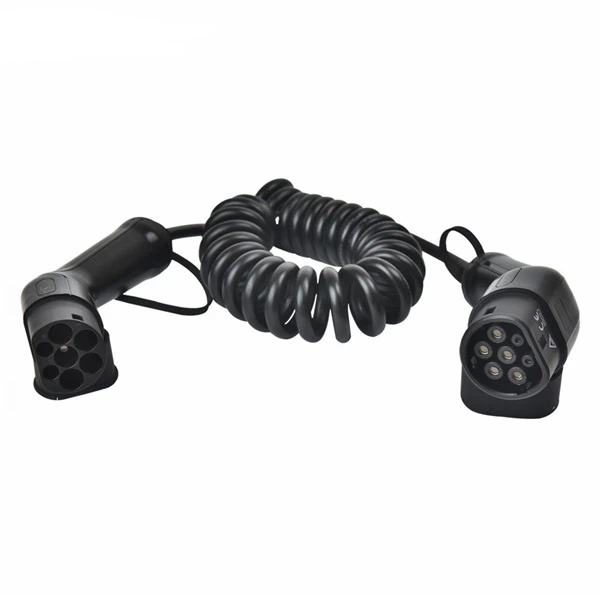
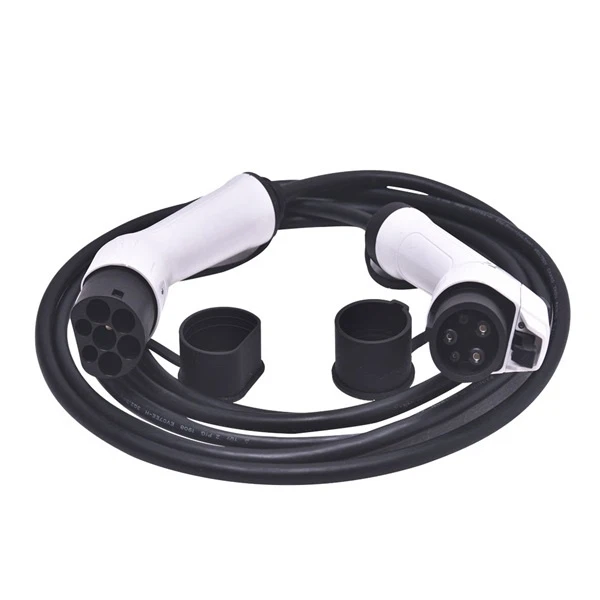
Adopting Type1/Type2 dual interface design, it is compatible with mainstream electric vehicles around the world, and can be seamlessly connected from Tesla to BYD, truly realizing the cross-brand solution of "one cable charging".
Ultimate charging efficiency
The industry-leading three-level power architecture (7kW/11kW/22kW), equipped with three-phase current technology, shortens the charging time by 40% compared with conventional equipment, and meets the needs of rapid charging in multiple scenarios of home/commercial use.
Military-grade durable design
The first spiral anti-winding structure + IP67 protection system, passed the extreme environment test of -30℃ to 70℃, the anti-UV coating effectively resists 3 years of exposure and aging, and supports an industrial-grade service life of 100,000 bends.
Customized service network
Provide 0.5-15m free cutting service, with a global 72-hour express logistics system, and set up localized after-sales centers in 56 countries to achieve personalized support for the entire process from product to service.
FAQ
Q: What is an EV charging cable?
Q: How does an EV charging cable work?
Q: What are the different types of EV charging cables?
Q: How long is a typical EV charging cable?
Q: Can an EV charging cable be used with any electric vehicle?
Q: How durable are EV charging cables?
Q: Can an EV charging cable be used outside in extreme weather conditions?
Q: What is the maximum charging rate supported by an EV charging cable?
Q: Are there any safety features integrated into EV charging cables?
Q: Can a faulty EV charging cable cause harm to the electric vehicle or the charging station?
Q: What should you do if you notice any damage to your EV charging cable?
Q: Can you clean and maintain your EV charging cable to extend its lifespan?
Q: How can you tell if your EV charging cable needs replacement?
Q: Can you use an EV charging cable to charge other electronic devices besides an electric vehicle?
Q: Can you leave your EV charging cable plugged in after the vehicle is fully charged?
Q: Can an EV charging cable be used in countries with different voltage standards?
Q: What should you do if your EV charging cable gets wet?
Q: How do you properly store your EV charging cable to prevent damage?
Q: What is the typical lifespan of an EV charging cable?
Q: What should you pay attention to when buying electric car charging cables?
As one of the best ev charging cable manufacturers and suppliers in China, we warmly welcome you to wholesale cheap ev charging cable from our factory. All our products are with high quality and competitive price.
Type 1 Connector Ev, CHAdeMO To GBT Adapter, EV Electronic Locks