
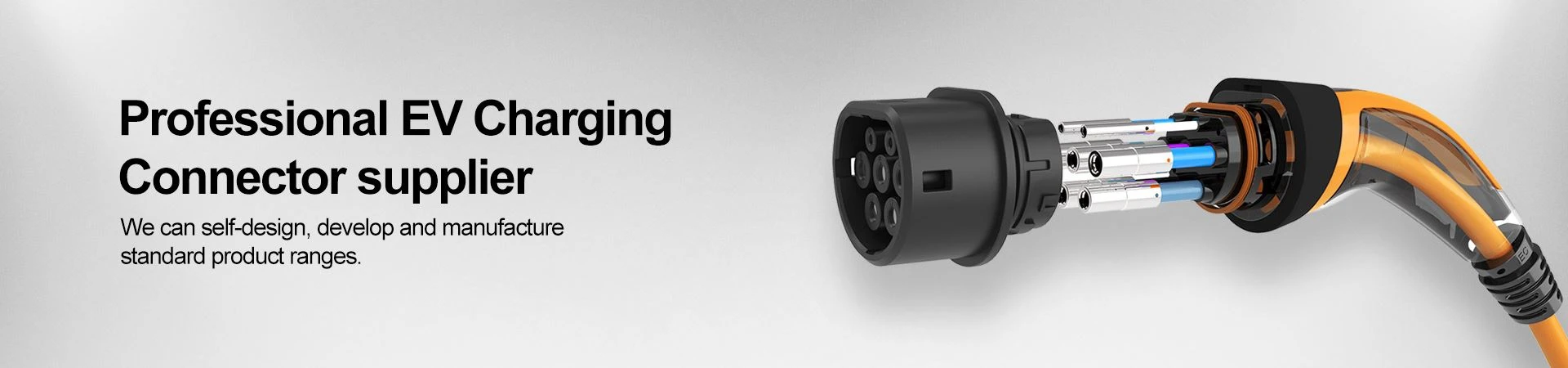
EV Home Charger
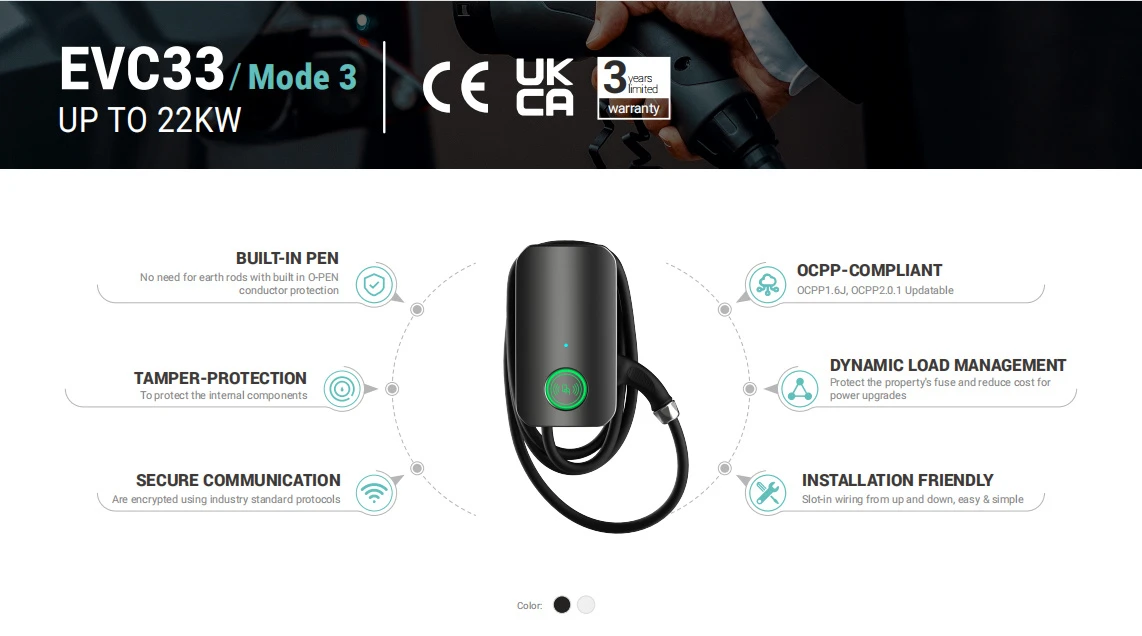
As a trusted EV home charger manufacturer, we specialize in designing and producing high-performance AC charging units tailored for residential use. Our EV home chargers are compact, easy to install, and built with intelligent protection systems to ensure safe and efficient charging. Featuring durable enclosures, smart connectivity, and energy-saving operation, they are ideal for modern homes and small commercial setups. We also provide OEM and customized solutions to meet specific regional standards such as Type 1, Type 2, and GB/T.


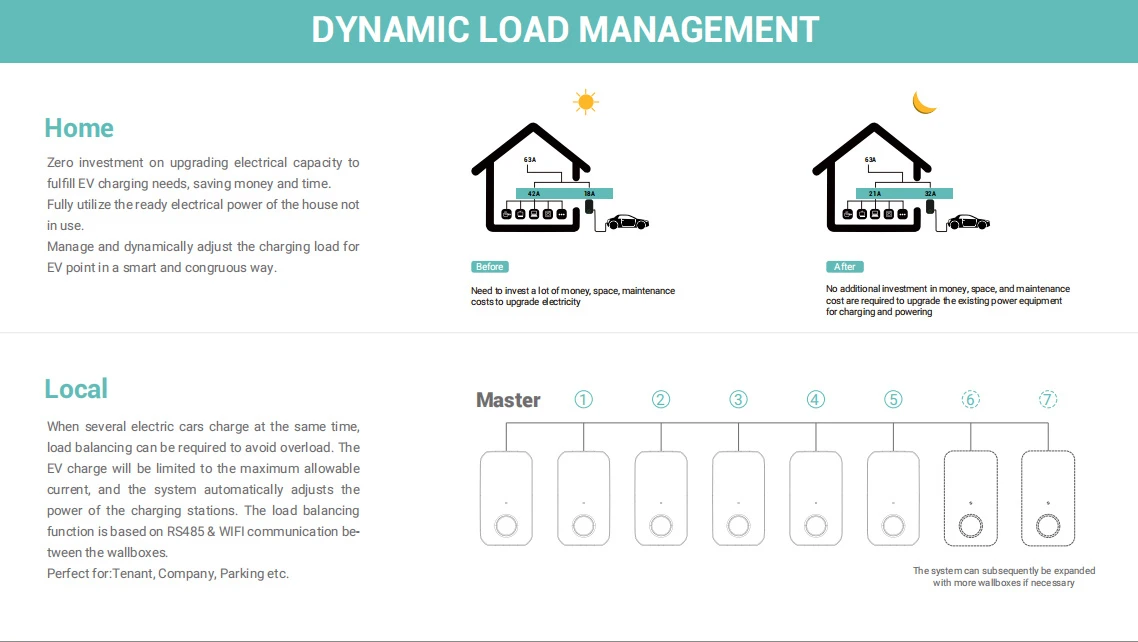
DYNAMIC LOAD BALANCING FUNCTION
Our APEKS AC EV charger for home use features a Dynamic Load Balancing (DLB) function designed to ensure safe power consumption distribution between the electric car charger and other household appliances. DLB dynamically maintains a balance in total electricity usage within the home when the EV charger operates concurrently with other appliances, ensuring safe electricity allocation and preventing home overload. This functionality aims to optimize efficiency and safety, allowing for seamless charging without compromising other household power needs.
Most electric vehicle (EV) and plug-in hybrid electric vehicle (PHEV) drivers choose to charge overnight using AC Level 1 or AC Level 2 charging equipment at home. These residential devices are typically installed in garages, but outdoor installations are equally safe and feasible and can be charged even in the rain. Outdoor rated equipment needs to be considered when installing outdoors. For the charging needs of multi-family residences, additional considerations are required, and charging equipment may be more likely to be public charging rather than single-resident charging.
Home charging equipment installation
Many electric vehicle owners can meet their daily driving range needs by using Level 1 charging equipment, which requires no additional cost or installation, provided there is a dedicated branch circuit power outlet near where the vehicle is parked. And for car owners with longer commutes or more charging time, or vehicles equipped with large batteries, it may be necessary to install Level 2 charging equipment to ensure the time required for a full charge. Some states and utilities offer incentives to partially offset the cost of charging equipment.
Most Level 2 products have standard safety features and status indicators. More advanced "smart" Level 2 products include features such as data collection, user interface systems, enhanced displays, charging timers, communications capabilities and keyboards. It is highly recommended to purchase safety-certified equipment, such as products certified by the Energy Star label, that have been tested by a nationally recognized testing laboratory and installed by a certified electrical contractor.
An electrician can provide homeowners with information on whether the home's electrical capacity is sufficient to support vehicle charging. Some homes may not have enough electrical capacity to meet the needs of Level 2 charging devices. However, a qualified electrician can add circuitry to meet the required capacity of a Level 2 charging device.
San Jose, California was one of the first cities to establish requirements for installing vehicle charging systems in single-family homes and duplexes, explaining in detail the permitting process and location planning for home charging units. Other cities are following suit, such as Seattle providing guidance on residential and commercial electric vehicle charging installations.
Why Choose Us
Technology Certification
APEKS have achieved notable certifications for their products, including ISO9001:2015 and IATF16949:2016 quality management system certifications, as well as essential testing and certification marks such as TUV, CE, UKCA, UL, and CQC.
Production Equipment
APEKS have a well-equipped manufacturing facility with over 200 large-scale production machines, coupled with well-established production, quality inspection, and transportation processes.
Professional team
The company boasts a dedicated R&D team of over 100 professionals with over a decade of experience in electronic power supplies. Their expertise spans various domains, including materials, structures, electronics, appliances, software, hardware, and technology.
Global Sales
APEKS caters to an impressive list of customers, including well-known brands such as BYD, NIO, VESTEL, and VORWERK. Their global presence is evident, with products exported to more than 60 countries.
HOW MUCH POWER DOES AN EV Home Charger Typically Consume?
The power consumption of an Electric Vehicle (EV) home charger varies based on the charging speed and the power level of the charger. Home chargers have power ratings ranging from 3 kW for standard Level 2 chargers to higher power levels, such as 7 kW, 11 kW, or even 22 kW for more advanced models. The actual power consumption during a charging session depends on factors like the battery capacity of the electric vehicle and the charging rate selected. For example, a 7 kW charger may consume around 28 kWh to provide a full charge over four hours.
What are the safety features of an EV home charger?
Overcurrent protection
EV home chargers are equipped with overcurrent protection mechanisms to prevent excessive current flow, mitigating the risk of overheating and potential damage to the charging cable, connectors, and the electric vehicle.
Ground fault circuit interrupter (GFCI)
GFCI technology is integrated into home chargers to detect ground faults and quickly interrupt the circuit. This crucial safety feature minimizes the risk of electric shock and protects against faults in the charging system.
Temperature monitoring
Chargers incorporate temperature sensors to monitor the temperature of critical components. If temperatures surpass safe levels, the charger can automatically adjust the charging rate or initiate a shutdown to prevent overheating and ensure safe charging operations.
Short circuit protection
Home chargers feature short circuit protection, detecting and addressing any short circuits in the charging system promptly. This safeguards against electrical hazards and potential damage to the charging infrastructure.
Weatherproof design
Chargers designed for outdoor use prioritize a weatherproof design, including sealed enclosures and weather-resistant connectors. This feature protects the charger from environmental elements, ensuring reliable performance in various weather conditions.
Connectivity and authentication
Many chargers employ connectivity and authentication measures to enhance security. Authentication processes ensure that only authorized users can initiate charging sessions, preventing unauthorized access and potential tampering with the charging infrastructure.
An Electric Vehicle (EV) home charger is generally more efficient than a traditional gasoline pump when considering the overall energy conversion process. EV home chargers, especially Level 2 chargers, typically have higher energy efficiency as they convert electrical energy directly into stored energy in the vehicle's battery. This process is more efficient than the combustion process in traditional gasoline engines, where energy is lost as heat. Additionally, home charging allows users to take advantage of off-peak electricity rates, further optimizing the cost-effectiveness and efficiency of charging an electric vehicle. While the efficiency of EV home chargers contributes to a more sustainable and cost-efficient energy consumption model, it's essential to consider factors such as the source of electricity and the environmental impact of energy production.
How Do I Know If My Electrical Panel Can Handle an EV Home Charger?
To determine if your electrical panel can handle an Electric Vehicle (EV) home charger, consider factors such as the panel's current capacity and available circuit space. Check the electrical panel's label for its maximum amperage capacity, ensuring it meets or exceeds the requirements of the EV charger. Home chargers typically require a dedicated circuit with a higher amperage, commonly 40 to 50 amps for Level 2 chargers. Additionally, assess the available circuit space in the electrical panel to accommodate the new dedicated circuit. If uncertainties persist or modifications are needed, it is advisable to consult with a qualified electrician to assess and upgrade the electrical panel to safely support the installation of an EV home charger.
How Many Miles of Range Can I Expect From an Hour of Charging With an EV Home Charger?
The miles of range gained per hour of charging with an Electric Vehicle (EV) home charger depend on the charger's power level and the electric vehicle's efficiency. A Level 2 home charger, which operates at around 7 kW, can provide approximately 10 to 60 miles of range per hour, depending on the specific charging rate and the vehicle's battery capacity. Higher-power Level 2 chargers or Level 3 DC fast chargers may offer even faster charging speeds. These estimates serve as a general guideline, and actual mileage gained can vary based on factors such as the vehicle's efficiency, battery condition, and charging settings.
In certain situations, an Electric Vehicle (EV) home charger can be used with a generator, but it requires careful consideration of the generator's capacity and compatibility with the charger. Since home chargers typically require a consistent and stable power supply, it's crucial to ensure that the generator provides a reliable and clean power output within the required voltage and frequency specifications of the EV charger. Additionally, the generator must have the necessary power capacity to meet the charging demands of the electric vehicle.

How To Install An EV Home Charger
Begin by assessing the capacity of your home's electrical panel. Ensure it has the necessary amperage capacity to support the installation of the EV home charger. If needed, consult with a qualified electrician to determine if any panel upgrades are necessary.
Select a suitable location for the EV home charger, considering factors such as proximity to the electrical panel, convenient parking access, and weather protection. The chosen location should facilitate a safe and efficient charging experience.
An electrician will install a dedicated circuit for the EV home charger, typically a 240-volt circuit with the appropriate amperage rating. This ensures the charger receives a stable power supply for optimal charging performance.
Once the dedicated circuit is in place, the EV home charger can be connected to the electrical system. Please perform proper installation, including firmly installing the charger and connecting cables. After installation, perform safety checks, test the charging process, and ensure all components are functioning properly.
Components of EV Home Charger
Power module
The power module is responsible for converting the electrical energy from the power source (typically the electrical grid) into the appropriate form for charging the electric vehicle's battery. It manages the power flow to ensure optimal charging performance.
Connectors and cables
EV home chargers are equipped with connectors and cables that link the charger to the electric vehicle's charging port. These components vary based on the charging standard and connector type associated with the specific EV model.
Control unit
The control unit manages and regulates the charging process. It communicates with the electric vehicle to determine the appropriate charging rate, monitors the charging session, and ensures safety features such as overcurrent protection and temperature control.
User interface
Many home chargers feature a user interface, which may include an LED display, touch screen, or indicators to provide users with information about the charging session. This interface allows users to monitor charging progress and receive important notifications.
Enclosure
The enclosure houses and protects the internal components of the EV home charger. It is typically designed to be weatherproof and durable, safeguarding the charger from environmental elements when installed outdoors.
Authentication and connectivity
Advanced home chargers may include authentication features to ensure only authorized users can initiate charging sessions. Connectivity options, such as Wi-Fi or cellular connections, enable remote monitoring, control, and software updates.
Maintenance Tips for EV Home Charger
If the EV home charger is installed outdoors, ensure that it remains properly weatherproofed. Regularly inspect the enclosure for any signs of damage, and replace weather seals if necessary. Protecting the charger from environmental elements contributes to its overall longevity and performance.
Regular visual inspections
Conduct regular visual inspections of the EV home charger for any signs of wear, damage, or corrosion. Check the connectors, cables, and enclosure for any visible issues. Identifying and addressing potential problems early can prevent more significant issues.
Keep connectors clean
Clean the connectors regularly to remove dirt, dust, or debris. Use a soft, dry cloth or a small brush to ensure the connectors remain free from any obstructions. Clean connectors promote efficient conductivity and reduce the risk of charging issues.
Monitor software updates
Stay informed about any available software updates for the EV home charger. Many modern chargers receive periodic updates to enhance performance, security features, and compatibility. Ensure your charger is running the latest firmware to benefit from improvements and bug fixes.
Things to Note When Using EV Home Charger
Connector compatibility
Verify that the connector of your Electric Vehicle (EV) home charger is compatible with both your vehicle's charging port and the prevailing standards in your region. Different EV models may utilize varied connector types (Type 1, Type 2, CCS, CHAdeMO, Tesla), necessitating the use of an appropriate cable for a successful charging session.
Proper connection and alignment
When plugging in the charging cable, ensure a secure and proper connection by aligning the connectors accurately. Avoid applying excessive force or twisting the cable, as this may lead to damage to the connectors or cable itself. A secure connection is fundamental for efficient power transfer and mitigates potential safety hazards.
Regular maintenance checks
Perform regular visual inspections of the charging cables, connectors, and the charger itself. Look for signs of wear, damage, or corrosion, and address any issues promptly. This proactive maintenance helps prevent potential charging interruptions and ensures the longevity of the EV home charger.
Weather considerations
Take weather conditions into account, especially if your EV home charger is installed outdoors. Ensure that the charger's enclosure and connectors are weatherproof, and consider using additional weather protection measures during extreme conditions. This safeguards the charging infrastructure from environmental elements and promotes reliable performance.
FAQ
Q: What is an EV home charger, and how does it work?
Q: How do I choose the right EV home charger for my electric vehicle?
Q: Can I install an EV home charger myself, or do I need a professional?
Q: What are the different power levels of EV home chargers, and how do they affect charging speed?
Q: Can I use an EV home charger with any electric vehicle?
Q: How many miles of range can I expect from an hour of charging with an EV home charger?
Q: How long does it take to charge an electric vehicle with an EV home charger?
Q: Can I leave my electric vehicle connected to the EV home charger after it's fully charged?
Q: What safety features are integrated into EV home chargers?
Q: Can I use an EV home charger outdoors?
Q: Are there any maintenance tips for EV home chargers?
Q: What is the typical lifespan of an EV home charger?
Q: Can I charge my electric vehicle with a generator using an EV home charger?
Q: What types of connectors are commonly used in EV home chargers?
Q: Is it possible to charge an electric vehicle at home without an EV home charger?
Q: Can I schedule charging sessions with an EV home charger?
Q: How efficient is an EV home charger compared to a gasoline pump?
Q: How does an EV home charger compare to using public charging stations?
Q: Can I use an EV home charger with solar panels or renewable energy sources?
Q: What considerations should I keep in mind when using an EV home charger in extreme weather conditions?
As one of the best ev home charger manufacturers and suppliers in China, we warmly welcome you to wholesale cheap ev home charger from our factory. All our products are with high quality and competitive price.
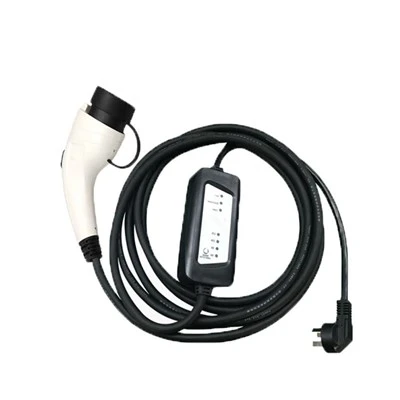
tesla to j1772 connector, , Portable EV Charger