
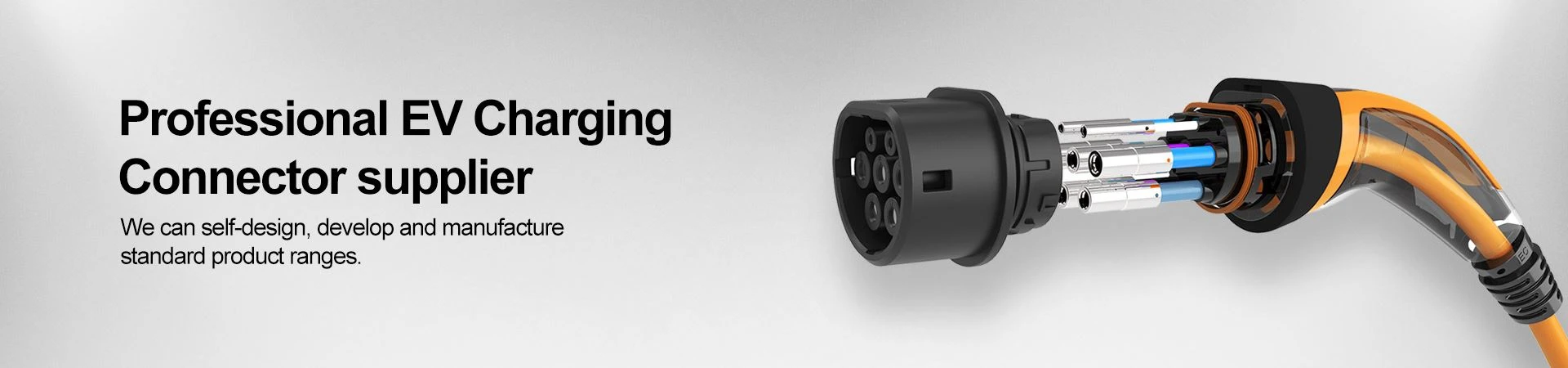
EV Charging Connector
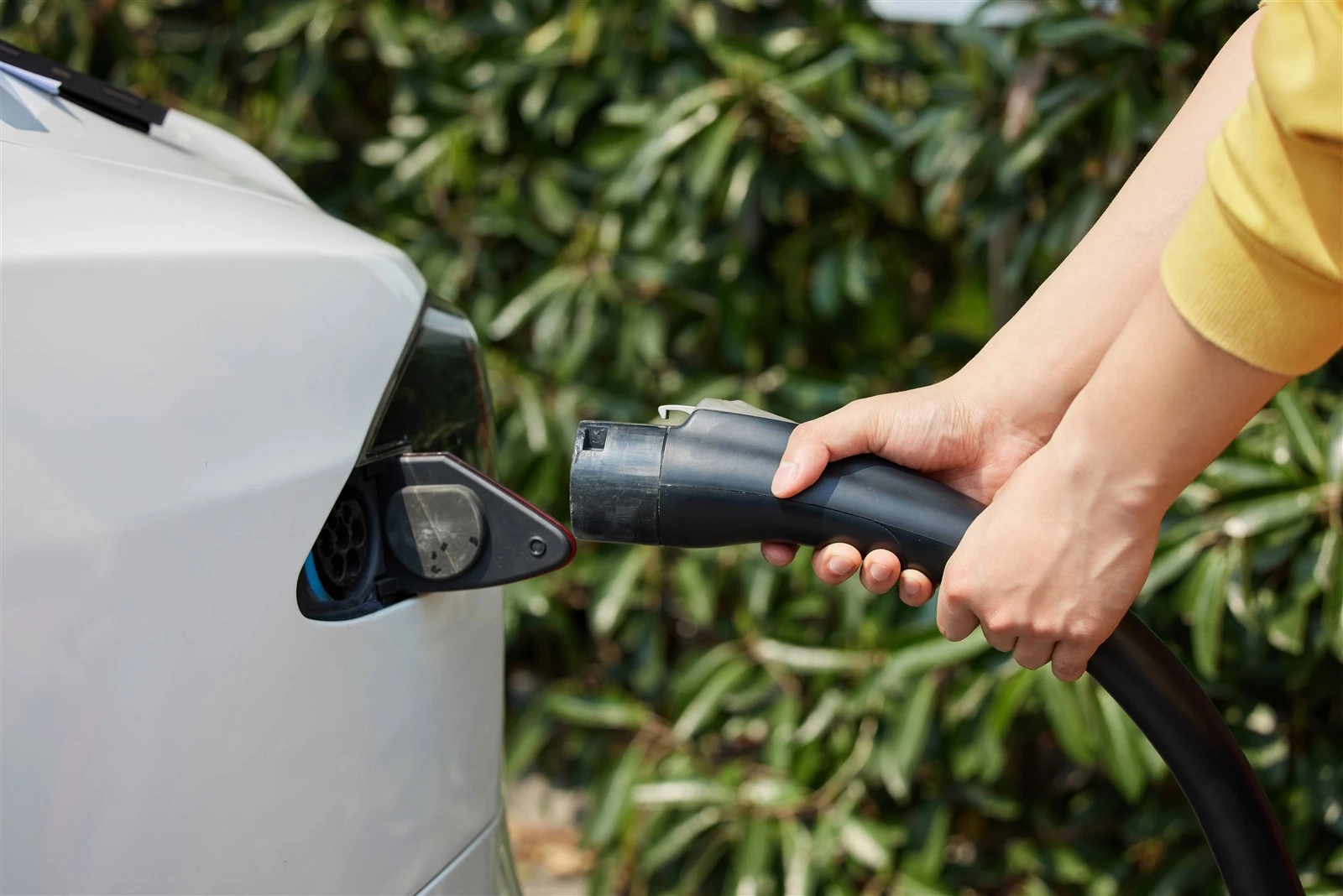
A professional EV Charging Connector manufacturer
As a leading EV charging connector manufacturer, we specialize in producing high-quality connectors designed for both AC and DC charging systems. Our products feature superior conductivity, safety, and durability, ensuring reliable performance for commercial and residential charging stations. With advanced manufacturing facilities and strict quality control, we offer OEM and custom solutions to meet global standards such as Type 1, Type 2, CCS, and GB/T.


Benefits of EV Charging Connector
Compatibility
EV Charging Connectors are designed to meet multiple global standards, including Type 1, Type 2, CCS, and GB/T. This wide compatibility ensures smooth charging across various EV models and charging stations, offering flexibility for both residential and commercial use.
Durability
Built to withstand the demands of daily operation, each connector features a reinforced housing made from premium flame-retardant materials. It resists impact, UV exposure, and harsh weather conditions, ensuring long service life and stable performance.
Safety
Designed with multiple protection mechanisms, including insulation layers, temperature monitoring, and anti-shock structures, the connectors safeguard both the user and vehicle from short circuits, overheating, or electric leakage.
Efficiency
Designed for high power transfer efficiency, our connectors minimize energy loss and reduce charging time. They deliver fast, stable, and cost-effective performance for every charging operation.
EV Charging Connector Types for OEM Applications
We offer EV charging connectors in multiple types to serve global OEMs and charger manufacturers.
Type 1 (SAE J1772)
Type 1 connectors are mainly used in North America and Japan for AC charging. They support single-phase power and are commonly found in home and public charging stations. Type 1 is reliable, easy to handle, and ideal for residential or light commercial applications.
Type 2 (IEC 62196)
Type 2 connectors are the standard in Europe and many other regions. They support both single-phase and three-phase AC charging, providing faster and more efficient charging than Type 1. Type 2 connectors are widely adopted in public charging stations and commercial EV infrastructure.
CCS (Combined Charging System)
CCS connectors combine both AC and DC charging in a single port, making them one of the most versatile and widely adopted charging standards worldwide. The system integrates the Type 1 (used mainly in North America) and Type 2 (used across Europe, Australia, and parts of Asia) designs, enhanced with two additional DC pins to enable high-power Level 3 fast charging. CCS supports both slow and rapid charging, offering flexibility for home, commercial, and public use. It ensures broad compatibility across global EV models, making it an ideal choice for fast, efficient, and reliable charging on highways and in urban areas.
Wholesale EV Charging Connectors Manufacturers
Professional team
The company boasts a dedicated R&D team of over 100 professionals with over a decade of experience in electronic power supplies. Their expertise spans various domains, including materials, structures, electronics, appliances, software, hardware, and technology.
Technology Certification
APEKS have achieved notable certifications for their products, including ISO9001:2015 and IATF16949:2016 quality management system certifications, as well as essential testing and certification marks such as TUV, CE, UKCA, UL, and CQC.
Production Equipment
APEKS have a well-equipped manufacturing facility with over 200 large-scale production machines, coupled with well-established production, quality inspection, and transportation processes.
Global Sales
APEKS caters to an impressive list of customers, including well-known brands such as BYD, NIO, VESTEL, and VORWERK. Their global presence is evident, with products exported to more than 60 countries.
Video
EV Connector Safety Solutions for Manufacturers
Temperature monitoring
Temperature sensors are often integrated into charging connectors to monitor temperature levels during charging. If the temperature exceeds safe limits, the system may initiate protective measures, such as slowing down the charging rate or shutting off the charging process to prevent overheating.
LED indicators
LED indicators provide visual cues about the status of the charging process, including whether the connection is secure, the charging is in progress, or any issues that may require attention. This promotes user awareness and safety.
Automatic shut-off
Charging connectors have mechanisms that automatically shut off the charging process when the battery reaches full capacity, preventing overcharging and potential damage to the battery.
Locking mechanisms
Many connectors feature locking mechanisms that securely hold the connector in place during charging, preventing accidental disconnections. This enhances the stability of the connection and reduces the risk of electrical hazards.
Ground fault protection
EV charging connectors incorporate ground fault protection to detect and address any electrical faults that could pose a safety risk. This protection mechanism helps ensure the safety of both the vehicle and the charging infrastructure.
Application of EV Charging Connector
Residential charging
EV owners use charging connectors for home charging stations, allowing them to recharge their vehicles conveniently overnight. Residential connectors are often designed for Level 1 or Level 2 charging.
01
Public charging stations
Public charging stations, located in various settings such as parking lots, shopping centers, and along highways, utilize charging connectors to provide on-the-go charging options for EV users. These stations may offer Level 2 or DC fast charging using different connector types.
02
Fleet charging
Businesses with electric vehicle fleets use EV charging connectors to support the charging needs of multiple vehicles at fleet charging stations. This application is crucial for the transition to electric fleets in commercial and logistics sectors.
03
Workplace charging
Companies install charging connectors in workplace parking areas to encourage and support employees with electric vehicles. Workplace charging contributes to sustainable commuting options.
04
Fast charging networks
EV charging connectors play a pivotal role in fast charging networks, where high-powered DC fast chargers deliver rapid charging sessions to minimize charging times for electric vehicles on long journeys.
05
Maintenance Tips for EV Charging Connector
Regular inspection
Regularly inspect your EV charging connector for any signs of damage or wear and tear. Check for loose connections, cracks, or splits in the casing, and make sure that the pins and contacts are clean and free of debris.
Store properly
When not in use, store your EV charging connector in a dry and clean place away from moisture and dust. Avoid storing it in extreme temperatures or direct sunlight, as this can affect its performance and lifespan.
Check for updates
Check if there are any firmware updates available for your EV charging connector. These updates can improve its performance, add new features, and fix any bugs or security vulnerabilities.
Clean contacts
Clean the contacts of your EV charging connector regularly to ensure good electrical conductivity. Use a soft cloth or cotton swab dipped in isopropyl alcohol to clean the metal contacts. Avoid using water or abrasive materials, as they can cause damage.
Check locking mechanisms
If the charging connector features a locking mechanism, regularly check its functionality. Ensure that it securely latches onto the vehicle's charging port to prevent accidental disconnection.
Don't force connections
Never force your EV charging connector into the charging port if it doesn't fit properly. This can cause damage to the connector or the charging port and could result in a fire hazard. Always make sure that the connector and port are clean and free of debris before connecting.
We've Earned Certification
CE, EETE, RoHS, IATF16949, ISO9001, ISO14000, ISO13485, IPC620

FAQ
Q: What is an EV charging connector?
Q: What are the different types of EV charging connectors?
Q: How do EV charging connectors work?
Q: What are the standard charging levels for EV charging connectors?
Q: Can all EVs use the same type of charging connector?
Q: Are there any safety features built into EV charging connectors?
Q: How do I know which EV charging connector to use for my electric vehicle?
Q: Can I use a Level 2 charging connector with a Level 1 charging cord?
Q: What are some of the most commonly used EV charging connectors in the United States?
Q: Are there any compatibility issues between different brands of EV charging connectors?
Q: How can I troubleshoot common issues with an EV charging connector?
Q: Can I install an EV charging connector at home?
Q: What are the installation requirements for an EV charging connector?
Q: Can I charge my electric vehicle using a regular outlet?
Q: How long does it take to charge an electric vehicle using an EV charging connector?
Q: What are some of the benefits of using an EV charging connector?
Q: Can I use an EV charging connector in cold weather?
Q: Can I use an EV charging connector in hot weather?
Q: Can I install multiple charging connectors at the same location?
Q: How fast can an EV charge using different connector types?
Q: Do IEC Chargers Come In Other Colors?
Q: What is the difference between APKES connector and other brands? What are the advantages?
1. Stylish design, better recognition of language
2. Freely customize colors to meet the needs of different customer groups
3. Special internal waterproofing treatment, the protection level can reach IP55 (working status). The IEC requirement is IP44.
4. TPU material cable (self-produced cable with decades of experience), everything can be changed and customized according to your requirements.
5. We support OEM using your own brand products.
Q: What is the Function of Actuator Locking Device in the TYPE 2 SOCKET?
Motor actuator is much more reliable than Solenoid Lock especially when it is very cold. The basic function of it is anti-theft, safe and reliable.
As one of the best ev charging connector manufacturers and suppliers in China, we warmly welcome you to wholesale cheap ev charging connector from our factory. All our products are with high quality and competitive price.
tesla model 3 charging connector type, type 1 to type 2 charging cable